Wednesday, September 2, 2020

5 Basic Commands You Should Teach To Rottweiler

Rottweilers are some of the best working Dog breeds india, they are naturally protective, extremely trainable, and they love to do any kind of task that you throw their way, be it fetching a ball, or even protecting your loved ones. They never shy away from responsibility. But what most people do not realize is that they can also be sweet, affectionate, and playful family dogs - yes you heard that right. There is a reason why Rottweilers are one of the best Dog breeds in India. And if you are one of the proud owners of them, then you are in luck because in this article you would get to know 5 basic and yet crucial commands that your rottweiler must know.
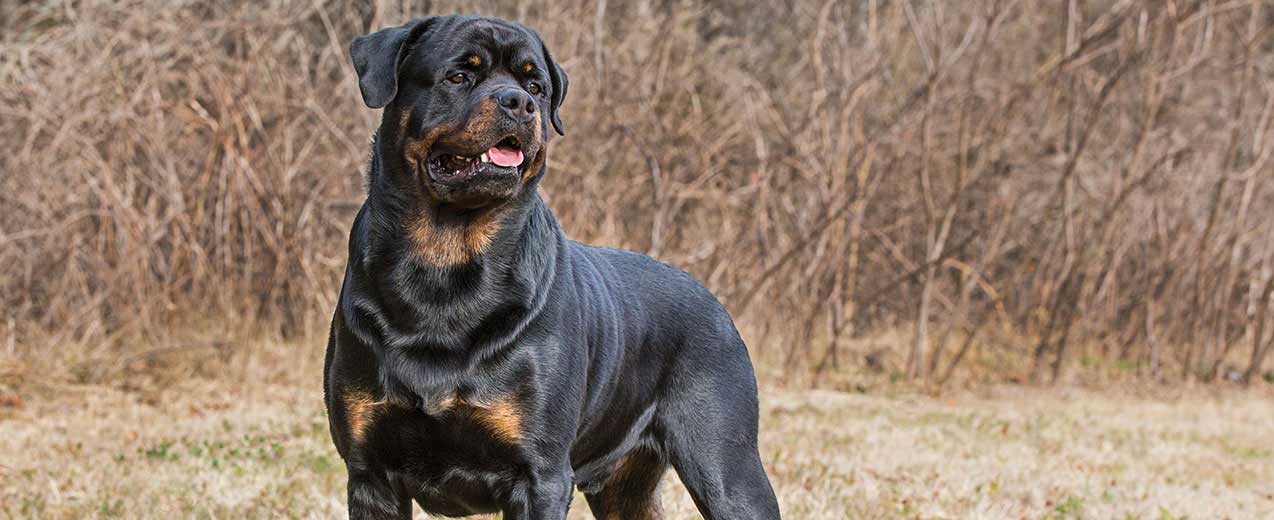
Rottweiler Dog Breed Profile | Petfinder
Rottweiler

1. Sit 

This command is the first one that you must teach your furry friend. It is important that your dog learns this command because it sets the pattern of how he or she will respond to the overall training. Always use a treat that is motivating for your puppy and make sure to reward them with affection when they listen to you. You can give them boiled chicken or any readymade treats that are available in the market. 

2. Stay

This is a great command that works wonderfully when you pair it up with the ‘sit’ command. You can use this command when you want your puppy to stay in one place, you also could give them this command when you have guests over at your place or even when you take them out on a walk and you need them to stay still for some time. However, don’t expect them to stay in one place for more than 10 minutes unless your friend is exceptionally patient. 

3. Off

The Off command is used to stop your dog from jumping or attacking someone. This is the most important command that you must teach your puppy before he or she grows up because Rottweilers can be quite aggressive and if you have no control over them then the situation could turn into a disaster. This command is heavily used by pet owners when their pet gets excited when seeing new guests and pounces on them.

4. Come

The ‘Come’ command has the potential to save your dog's life, it is absolutely necessary that you teach them this command. Even if you pay are paying a lot of attention to your pet, it is inevitable that they might one day step out of the home or out on the streets without your permission. This command can save them from the traffic, neighbors, and even with encounters with other dogs. 

5. Down

This command is a very practical one that is great for all dog owners to master. The ‘down’ command is very important especially for large dogs. If your friend is relaxed and comfortable in public places then it is a great thing because you can trust him or her around strangers and even other dogs.

Thursday, July 23, 2020

3 Simple Ways to Stop Your Puppy From Biting


Biting and nipping is a common trait found in every dog breed in India. While it's natural dog behavior, uncontrolled biting can lead to severe injuries. Therefore, it is essential to teach your puppy to stop biting as early as possible.

Here are three simple ways to stop puppy biting.

Teach Bite Inhibition

Dogs love to chew, and nipping and biting are common in dogs of all breeds. What's important is the force from which your puppy bites. Sometimes, puppies may put their mouth on you or someone else if they're in pain or fear. But if the dog is big and strong, even one bite can be hazardous.

Help! How do I stop my puppy from biting?

The first way to stop biting is a technique called bite inhibition. Dogs practice this technique all the time. Puppies naturally nip at each other while playing. If they bite too hard, their mother or the other dog makes a yelping sound, indicating the puppy that what it did was painful.

You can do the same thing to stop your puppy from nipping. If they bite you, make a high-pitched "ow" sound. Some puppies, however, may get more excited after hearing such noise. In this case, turn around quietly and walk away from your dog. You can also gently put them in a crate if you want to.

Teach That Biting Means "It's Over"

If your puppy bites while playing, stop immediately without any exceptions. Many dog owners tend to stop puppy biting by yelling or physically punishing their dog. This is a big no-no, and it can make your puppy fearful of being handled. Instead, teach them that biting will get them nothing. Of course, when they stop, reward them with a treat or a pat on their head.

Give Your Puppy An Alternate Chewing Item

Always keep a toy handy, and as soon as your dog demonstrates biting behavior, give them a toy or a piece of furniture. Doing this over and over again will give your pup an idea about what's OK to bite and what's not. When they get too excited while playing and start nibbling at your fingers, substitute your fingers with a toy.

If they continue to bite, stop the play session immediately. If you've trained your pup well, you can also redirect them to sit and then reward them with a toy.

What Not to Do?

Never, ever hit or physically punish your dog, no matter what dog breed in India you have. It won't fix the problem, and it'll also damage your relationship with your dog. If puppy biting doesn't stop even after trying everything, get in touch with a dog trainer.

Conclusion

No matter what dog breed in India, you have, not controlling the biting and nipping of your dog can be dangerous. Therefore, start your training early and make sure you understand that biting is wrong. If you aren't able to stop puppy biting on your own, get in touch with an expert dog trainer. 

Tuesday, July 7, 2020

How to Keep Your Senior Dog Happy and Comfortable?

We often ignore the signs of the greying muzzle and scoff at the idea of the dog getting old. But the reality is just like us dogs get old too. Grey hair on the muzzle and stiffness in bouncy gait are some signs that your dog is growing old. If you observe any of these signs, it’s time to make some subtle changes in your dog’s routine to keep them comfortable and happier. Here are some tips that you must follow to keep them happy:


Feed well – As your doing is growing old, keep a check on the quality of their soft. Get in touch with your vet to get complete information about the appropriate foods and supplements that can help your pooch. Your dog may also find it difficult to chew some foods, feed them with softer food. Feed them well, so they don’t put on extra weight. 

Love them – Spend as much as time with your senior dog to make them feel happy. Love, cuddle and repeat. Cherish your time with your dog, as it won’t be enough. 

Regular Exercise – Exercise becomes as necessary as your dog ages. Incorporate moderate level exercises in their routine. It will keep their joints flexible, prevent obesity, and support muscle development, etc. It will also help them with their mood and prevent them from anxiety and depression. 

Better Bedding – Young dogs happily sprawl out on the floors. However, when your dog ages, it may find difficulty in sleeping over the hardwood or marble floors due to stiffness in their body. So it’s time to consider an orthopedic bed for your dog. A thick, warm bed provides a lot of joint support and comfort to an aching body.

Focus on Grip – Aged dogs are not much steady on their feet and can easily slip over the slippery floors. Consider carpeting the areas that your dog mostly uses for its playing purpose and areas like staircase and hallway, etc. 

These are some of the tips you can follow to keep your aged dog comfortable at your home. Want more information on dog health issues, visit the best Indian dog website.

Tuesday, June 16, 2020

What can you Give Your Dog for Constipation?

If you feel that your dog is straining to defecate, you might be thinking it’s constipation. However, the truth is that your dog might be having diarrhea. Most of the dogs will strain a lot due to intestinal cramping during diarrhea.


How To Find Out Your Dog Is Constipated?


If your dog is constipated you may observe that despite eating a normal amount of food, your dog is defecating less than usual. The consistency of the stool is dry and hard. If constipation goes on a long time, your pooch may lose its appetite and might vomit due to the back up in his colon.

Causes of Constipation in Dogs


Your dog can get constipated due to many reasons including: 

  • Medications 
  • Dietary indiscretion such as eating garbage, plastic, and bones, etc.
  • Tumors in the GI tract 
  • Orthopedic pain 
  • Matted fecal material in fur blocking the anal opening
  • A metabolic disease that causes dehydration or electrolyte problems
  • Behavioral issues (anxiety) 

What to Do If Your Dog Is Constipated?


It’s OK to try home remedies for constipated dogs as long as the symptoms are mild and have been going on for less than 24 hours. Here are some of the home remedies for your constipated dog:

  • Pumpkin: Feeding pumpkin is great to treat your dog’s constipation. Pumpkin is high in water content and a great source of fiber. You can give one tablespoon to three tablespoons of pumpkin’s puree to your dog. Repeat this for 2-3 times a day. 
  • Supplement – You can give supplements to your dog to aid constipation. Give supplements that contain additives such as folic acid, acidophilus, and vegetable enzymes. Don’t forget to consult with your doctor before giving any supplements to your dog. 
  • Milk of magnesia – Feeding your dog with milk of magnesia is another home remedy to aid your dog’s constipation. A small dose of milk of magnesia is all that your furry friend might need. However, ensure to consult with your vet first.
  • Bran – Bran such as oats and wheat has a high amount of fiber. Add bran to your dog’s meal can prevent constipation. Consult with your vet to find about the right amount you need to add to your dog’s food. 
  • Psyllium – It works by absorbing water and bulking feces in the colon. It may take up to 72 hours for laxative action to occur. You can buy psyllium husk powder from your nearest pharmacy. Look for the unflavored, unsweetened version of psyllium. Consult with your doctor to find the right amount for your dog. Ensure to give it with plenty of water or other liquids, otherwise, it won’t be too effective.
  • Exercise – Making changes in a sedentary lifestyle can help treat constipation. Adding exercise to your dog’s routine will only stimulate movement in the GI tract, it will also help with obesity. Set a goal of taking your dog for a walk daily for at least 45 minutes. 

When to Seek Veterinary Care?


You might need to take your dog to the vet: 
  • You’ve tried one or two home remedies without improvement. 
  • Your dog has been constipated for more than 24 hours.
  • Your dog is vomiting, seems distressed, or is not eating.
  • If your dog is on any medications. 

Want to know more about dog health issues, stay tuned to the best dog website in India!

Friday, May 29, 2020

How to Keep Your Pet Flea and Tick Free?

Ticks and fleas can get attached to your furry friends very easily. They can hide under your pooch’s fur and can pose mild to serious threats to it. As a pet owner especially of Indian dogs, it’s important for you to have a consistent plan to keep your pets free from ticks and fleas. Here are some tips that can help you do that:


1. Clean and Groom your Pet Regularly

Cleaning and grooming your pets is the first step to keep flees away. Brush your dog’s fur and bathe them once/ twice in a month to keep their fur clean. Use antibacterial shampoo to keep ticks/ fleas at bay. Also, ensure to keep their paws clean and trim their nails timely. You can use wet wipes to clean your dog’s paws. 

2. Make sure your Pet visits the Vet Regularly

Regularly visit your vet to ensure that your dog doesn’t have fleas/ticks. Parasites attack weaker bodies so keep a check on your pet’s health to keep it flea free. Moreover, prepare your dog’s schedule so that you don’t forget when it needs to be dewormed, cleaned, and vaccinated. 

3. Get your Pet the right Treatment

If ticks or fleas have made a way to your dog’s fur, visit your vet. Your vet will recommend you some products to maintain your dog’s health as well as to remove ticks. As a precaution measure, you can flea and tick collars. These collars can last for months and prevent the attack of parasites. You can also apply pipettes medication on your pet’s back every month as a preventive measure. 

4. De-worm your Pets Every few Months

Ensure to deworm your dog every three months. This can prevent the growth of internal parasites like hookworms, roundworms, tapeworms, and whipworms. These worms can make your pet sick and endanger their life.

5. Clean your Home Regularly

Clean your house regularly to prevent an infestation, especially if you allow your dogs on furniture and upholstery. Choose safe cleaning products and make sure you store them away from your pet.

Want to know more about dogs’ health issues and preventive measures, visit the best dog news website in India!

Friday, May 15, 2020

Why Your Dog Has A Bad Breath?

Just like humans, your dogs can have a bad breathe issue. It can be a sign of major health issues in your dog. Before you try any home remedy, take out some time to find out the possible causes of your dog’s bad breath and steps you can take to prevent it.


Causes of Bad Dog Breath

Your dogs can have bad breath due to many reasons – read on!

1. Oral Hygiene and Periodontal Disease


The first and most common reason can be the bad oral hygiene of your dog. It is also known as periodontal disease. The plaque and tartar build-up in teeth can be a home for various bacteria, resulting in a dog’s bad breath. Brush your dog’s teeth regularly to reduce the development of tartar. This can also lead to inflammation of the dog’s gum, tooth loss, infection, cavities, and many other issues. So it’s best to make an appointment with your vet for your dog’s dental treatment.

2. Diabetes


Your dog might be having diabetes if its breath has a sweet or fruity smell. In such a situation, contact your dog’s doctor for proper treatment. Diabetes is a serious but treatable condition. Some other symptoms of diabetes in dogs include increased urination, excessive thirst, increased food consumption, and sudden weight loss, etc. Your vet can easily confirm diabetes by doing a simple test for glucose in the blood and urine.

3. Liver Disease


If your dog is doing vomits, showing signs of lack of appetite, and having foul breath with a yellow tinge in its gums, it can be a sign of liver disease. Liver or kidney disease is a serious health issue. Make an appointment with a vet for proper check-up and treatment. Kidney disease is serious and could be a symptom of a larger medical problem.

Treating Bad Dog Breath


Curing bad dog breath depends on the cause, but luckily there are quite a few treatment options out there.
If plaque, tartar, and periodontal disease are behind your dog’s bad breath, then the best thing you can do is to schedule an appointment with your veterinarian to see if your dog is a candidate for a dental cleaning. However, if your dog is having breath due to health issues such as diabetes, kidney, and liver disease, the bad breath will go away once the underlying issue is resolved. 
To know more about dog health, visit dog best website in India!

Thursday, April 23, 2020

Why My Dog Is Itching?

Is your dog continuously scratching its fur, licking its paws, or biting its tail? Observing these behaviors in your dog can make you feel worried. If you’re thinking that why your dog is behaving like this, let us help you find out the reasons.


There can be a wide range of reasons why your dog is scratching, licking, or chewing its fur. 
  1. Dry skin – If your dog is scratching or licking its fur, it can be a sign that your dog is dealing with dry skin. Cold weather and fatty acid deficiencies can cause dry skin in dogs. Consult with your vet as the condition can get worse with falling temperatures.
  2. Anxiety – Just as humans dealing with anxiety might bite their nails or twirl their hair, dogs can have anxiety too. Continuous scratching ears, licking paws non-stop, and trying to bite its own tail can be a sign of obsessive-compulsive disorder in your dog. In such a situation, it’s good to consult with your dog’s vet.
  3. Parasites – The third reason why your dog is itching can be mites, ticks, and fleas. If your dog is itching, ensure there are no fleas or ticks on your dog’s fur. Ticks are visible to the naked eye, however, fleas can go unseen until there is a large infestation, and mites are microscopic. So if you didn’t find any parasite on your dog’s fur, don’t assume that your dog is parasite free. Consult with a vet immediately. You can also reduce the risk of parasites attack by following dog grooming tips.
  4. Allergies – Your dog may develop allergies due to food or changes in the environment that triggers the production of mold and pollen in the house. Contact dermatitis right away if your dog is experiencing skin irritation.
  5. Hormonal imbalances – Improper production of hormones can lead to some superficial skin infections. If you notice bald spots on your dog and it’s scratching and licking its fur continuously, consult with a vet for the proper treatment. 

We hope this article will help you find the right reason that why your dog is itching. We recommend you to consult with your vet as the condition can get worse with each passing day. 

Want to know more about your dog health problems, visit the best dog news website in India.